


Japan’s winter terrain is spread across several regions, though most international riders focus on either Hokkaido or Honshu. Each offers a different style of riding experience shaped by snowfall patterns, terrain variety, and accessibility. While Honshu combines snowboarding with historic villages and easier access from Tokyo, Hokkaido remains the region most closely associated with powder riding and freeride terrain.
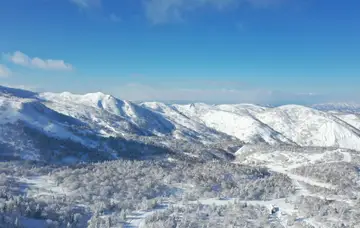
For many visitors, Hokkaido snowboarding represents the ultimate powder experience. Frequent winter storms create light, dry snow and consistent coverage throughout the season. Wide-open bowls, tree runs, and quieter mountain settings further contribute to the region’s reputation among snowboarders. Many travelers are also drawn to the slower pace of Hokkaido towns, where winter culture revolves around hot springs, seafood, and snow-covered scenery.
Honshu offers a different atmosphere and terrain profile. Resorts such as Hakuba and Nozawa Onsen combine riding with traditional inns, nightlife, and cultural attractions. These regions appeal to travelers looking for flexibility, sightseeing, and easier transportation access from Tokyo airports. Honshu also offers more variation in terrain and village atmosphere, making it attractive for riders who want a mix of nightlife, local dining, and snowboarding within the same trip.
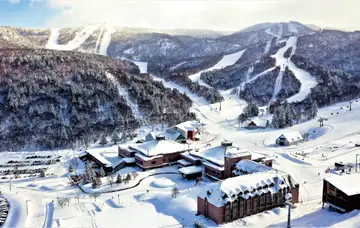
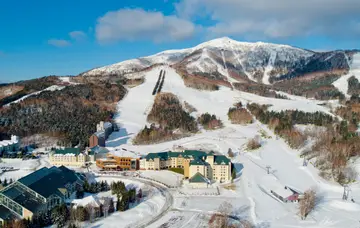
Different mountain environments also shape how travelers experience winter in Japan. Some riders gravitate toward lively snowboard towns while others prefer destination-style properties where accommodations, dining, and mountain access are integrated into one setting. Travelers exploring various ski resorts in Japan will encounter both styles throughout Hokkaido and Honshu. Club Med’s Hokkaido locations, including Tomamu and Sahoro, reflect this integrated style of travel by allowing guests to spend less time coordinating logistics and more time enjoying the mountains, wellness experiences, and surrounding winter scenery.


