
Best All Inclusive Ski Vacations in Japan

Discover the best all-inclusive ski resorts in Japan, from Niseko to Hokkaido. Experience legendary powder snow, scenic mountain landscapes, and seamless stays designed for a stress-free ski vacation.

Best Skiing in Japan: Resorts, Powder & Travel Guide

At Club Med, winter travel is about more than time on the slopes. It is about experiencing the atmosphere, culture and rhythm of a destination in a way that feels seamless from arrival to departure. Japan has become one of the world’s most sought-after winter destinations thanks to its deep powder, reliable snowfall and immersive cultural experiences. Travelers searching for the best skiing Japan offers are often drawn by stories of endless powder days, mountain landscapes and the unique atmosphere that defines winter travel across the country.

Unlike many ski destinations focused purely on terrain, Japan blends skiing with food, hospitality, wellness and traditions that shape the overall experience. At Club Med resorts in Hokkaido, guests can combine mountain adventures with regional cuisine, onsens, family-friendly activities and ski-in/ski-out convenience designed to simplify the journey for international travelers. This balance of skiing and cultural immersion is part of what makes a winter stay in Japan feel so distinctive.

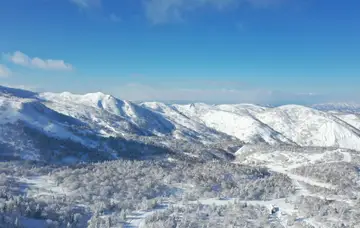
The country’s famous powder conditions are commonly referred to as Japow, a term used by skiers and snowboarders to describe Japan’s exceptionally light and dry snow. These conditions are created by cold air masses moving from Siberia across the Sea of Japan, where they collect moisture before reaching the mountains. This weather pattern produces consistent snowfall throughout the winter season, especially across northern regions known for strong snow accumulation and reliable coverage.

For travelers considering skiing in Japan, the appeal extends far beyond the slopes themselves. Days often end with visits to traditional onsens, quiet walks through snowy villages or meals centered around ramen, seafood and regional specialties. The slower pace of après-ski culture creates a different rhythm compared to North American or European resorts, making the trip feel as much cultural as recreational.

Among the country’s most recognized winter regions, Hokkaido stands out for its snowfall consistency and powder quality. Travelers researching the broader Japan ski season often discover that northern Japan delivers some of the most dependable conditions in the world. Club Med’s resorts in Tomamu and Sahoro allow guests to experience this landscape through integrated mountain stays that bring together accommodations, dining, ski lessons and slope access within one connected resort environment.

Discover the Best of Club Med in Japan

See all resorts

1 - Where to Find the Best Skiing in Japan

Japan’s ski terrain is spread across multiple regions, though most international travelers focus on either Hokkaido or Honshu. Each area offers distinct conditions, landscapes and travel experiences. Hokkaido is particularly famous for its powder snow and colder temperatures, while Honshu provides greater access to traditional ski towns and resorts connected to major cities like Tokyo. Travelers planning longer winter itineraries often choose between these regions based on whether they prioritize deep powder, cultural exploration or easier transportation access throughout the country.

For many visitors, Hokkaido skiing represents the pinnacle of powder travel. The island’s colder climate creates lighter snow that remains soft throughout much of the winter. Storm cycles arrive frequently during peak season, covering slopes with fresh snow that attracts powder-focused skiers from around the world. Wide-open landscapes and quieter mountain settings also contribute to the region’s reputation as one of the strongest powder destinations globally. Many travelers are also drawn to the slower pace of Hokkaido towns, where winter culture revolves around hot springs, seafood and snow-covered scenery that feels far removed from major urban centers.

Honshu offers a different style of ski experience. Resorts such as Hakuba and Nozawa Onsen combine skiing with traditional Japanese culture, historic inns and lively village environments. Travelers who want to combine skiing with city exploration often choose Honshu because many destinations are reachable by high-speed train. These regions appeal to visitors looking for flexibility, sightseeing and easier access from Tokyo airports. Honshu also offers more variation in terrain and village atmosphere, making it appealing for travelers who want a mix of nightlife, local dining and skiing within the same trip.

Different resort types also shape the travel experience. Some travelers prefer ski towns filled with restaurants and local culture, while others gravitate toward destination properties where accommodations, activities, dining and slope access are integrated into one setting. Travelers exploring various ski resorts in Japan will often encounter both styles throughout Hokkaido and Honshu, each offering a unique approach to winter travel.

At Club Med, integrated mountain stays are designed to simplify the experience for international travelers by bringing together lodging, ski access, dining, lessons and family-friendly activities within the same resort environment. This allows guests to spend less time coordinating logistics and more time enjoying the mountains, local cuisine and surrounding winter scenery.

2 - Best Ski Resorts in Japan (Including Hokkaido Options)

The range of Japan ski resorts is one of the country’s biggest strengths. Some destinations are large international hubs designed for longer stays, while others remain smaller and more traditional. This variety allows travelers to choose an experience based on atmosphere, terrain and pace rather than following a single resort model. Some resorts cater heavily to advanced powder skiers, while others are better suited to families, beginners or travelers who want a more balanced mix of activities beyond skiing itself.

Large mountain destinations like Niseko attract international travelers seeking extensive lift systems, nightlife and varied terrain. These resorts often feature multilingual services, ski schools and broad dining options that make them approachable for first-time visitors to Japan. Traditional ski towns, by contrast, emphasize local culture, narrow village streets, onsens and smaller independently operated accommodations that create a more intimate atmosphere. Travelers interested in quieter evenings and stronger cultural immersion often gravitate toward these smaller communities instead of larger resort hubs.

Integrated mountain destinations have also become increasingly popular among international travelers. These resorts combine lodging, dining, entertainment and slope access into one coordinated environment that reduces logistical planning. For travelers unfamiliar with regional transportation systems or language differences, this setup can simplify the overall ski experience while still allowing access to strong snow conditions and mountain scenery. Many visitors also appreciate being able to transition easily between skiing, dining, wellness activities and evening entertainment without leaving the resort area.

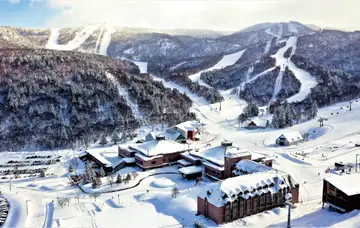
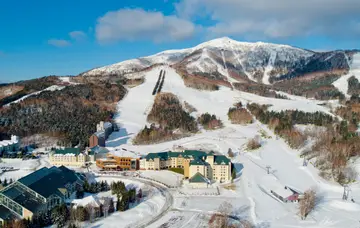
In Hokkaido, Tomamu skiing is known for its larger resort footprint, broad terrain mix and activity-driven atmosphere that extends beyond the slopes themselves. Travelers visiting Club Med Tomamu can also experience winter attractions like the Ice Village, snow trekking and family-friendly indoor activity spaces that add variety beyond skiing alone. Meanwhile, our Sahoro ski resort offers a quieter setting surrounded by forests and nature, often appealing to families and travelers seeking a slower-paced trip with a more relaxed mountain atmosphere.

At Club Med Sahoro Hokkaido, guests can enjoy a more intimate mountain setting with direct access to the slopes, multilingual ski instruction and a stronger focus on nature and family-friendly winter experiences. Both destinations reflect how the best ski resorts in Japan can provide entirely different experiences while still sharing the country’s defining snow quality and winter atmosphere. Travelers interested in simplifying logistics often explore all-inclusive vacations that combine accommodations, dining and mountain access into one streamlined stay.

3 - When to Ski in Japan & What to Expect

Understanding when to ski in Japan can significantly shape the overall trip experience. The season generally begins in December and continues through March, though snowfall, temperatures and crowd levels vary throughout the winter. Conditions also differ between regions, particularly between Hokkaido and parts of Honshu. Travelers planning their first ski trip to Japan often build their itinerary around snowfall timing, regional weather patterns and the type of atmosphere they hope to experience both on and off the slopes.

December marks the start of the ski season, with early storms gradually building the snow base across major resorts. Travelers visiting during this period often experience lighter crowds and quieter slopes, though snowfall consistency may still fluctuate depending on elevation and weather systems. January and February are widely considered the heart of powder season, delivering the deepest and most reliable conditions associated with Japan powder snow. During this peak period, skiers frequently wake up to overnight snowfall that refreshes the terrain almost daily, especially across northern Hokkaido destinations like Club Med Tomamu and Sahoro, where reliable snowfall and ski-in/ski-out access make it easier to maximize time on the mountain.

March introduces softer spring conditions and longer daylight hours. While some lower-elevation resorts begin warming significantly, many Hokkaido destinations continue offering quality skiing well into the month. Travelers who prefer a more relaxed pace and reduced crowd levels often find this period particularly appealing, especially when combined with cultural sightseeing or extended travel throughout Japan. Spring skiing also allows visitors to spend more time exploring surrounding towns, regional cuisine and outdoor onsen experiences after leaving the slopes.

The daily rhythm of skiing in Japan often feels different from many Western ski destinations. Early mornings are centered around fresh powder and quiet runs, while afternoons transition into warm meals, hot drinks and slower evenings focused on recovery and relaxation. At Club Med resorts in Hokkaido, guests can combine time on the slopes with wellness experiences, regional dining, family activities and evening entertainment within the same setting. Rather than emphasizing nightlife alone, many Japanese ski destinations place greater focus on hospitality, scenery and wellness experiences that create a more immersive style of winter travel.

4 - Planning a Ski Trip to Japan

Daily life during a Japanese ski trip often feels slower and more immersive than in many Western ski destinations. Ski mornings may be followed by bowls of ramen, afternoons spent exploring snowy villages and evenings relaxing in onsens while snow falls outside. The combination of powder skiing, hospitality, food and scenery creates a winter atmosphere that many travelers find difficult to replicate elsewhere in the world.

Successful Japan ski trip planning often starts with transportation logistics. Travelers focusing on Hokkaido typically fly into Tokyo before connecting to New Chitose Airport near Sapporo, one of the main gateways to Japan’s northern ski regions. From there, trains, buses and resort transfer services connect visitors to nearby mountain destinations. Club Med’s Hokkaido resorts, including Tomamu and Sahoro, offer transportation assistance and transfer options from major arrival points, which can help simplify navigation for international travelers unfamiliar with local transit systems or winter travel conditions.

Accommodation styles vary depending on destination and travel preferences. Some travelers choose modern hotels near larger ski areas, while others stay in traditional ryokan inns featuring tatami rooms, regional cuisine and communal hot springs. Integrated ski resorts remain especially popular for visitors wanting lodging, dining, entertainment and slope access within the same setting. At Club Med Tomamu and Sahoro, the experience is designed to help streamline the trip by bringing many key elements together in one resort environment, allowing travelers to spend less time coordinating logistics and more time enjoying the mountains.

Equipment rentals and lessons are widely available across major destinations and many ski schools now offer English-speaking instructors for beginners. Travelers visiting for the first time generally find that the infrastructure is well adapted for international tourism, particularly in larger ski regions accustomed to overseas guests. Club Med resorts also provide ski and snowboard lessons for multiple skill levels, helping beginners feel more comfortable while giving experienced skiers the opportunity to refine their technique throughout their stay.

Planning beyond the slopes can also shape the overall experience. Many travelers build additional time into their itinerary to explore local food culture, onsens and winter festivals throughout Hokkaido. Powder mornings often transition into slower evenings centered around ramen, seafood, hot springs and quiet mountain scenery. Whether travelers prioritize deep snow, cultural immersion or simplified resort stays, Japan continues to stand out as one of the world’s most distinctive winter destinations.

FAQs About Skiing in Japan

Find out more about Club Med